Dog Care Resources

Star Barks Guide to: Flea Season
Your guide to flea season

Your Guide to Flea Season

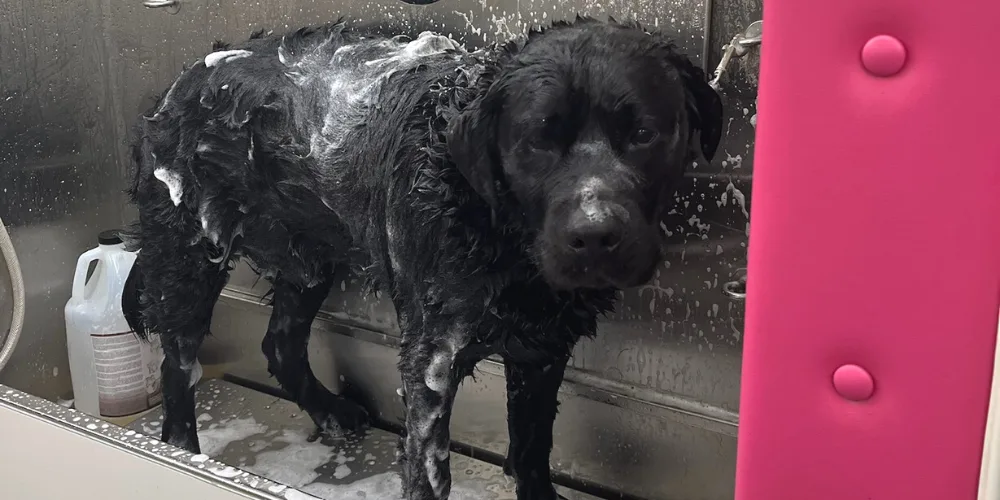
The first sign your dog may have fleas is the flea dirt that accumulates within their fur. You will see the flea dirt way before you ever see a flea. Flea dirt looks like large pepper flakes - it is the flea feces. Fleas are sucking your dog's blood therefore, when you go to wash your dog and see a red tint in the water that is a sign of the flea dirt being rinsed away. This alone is not enough to get rid of the fleas, but you do need to wash that away dirt before you move forward with a flea treatment.

Your dog will begin showing signs of fleas such as scratching, licking or chewing in quick jerking reactions. If you find 5 fleas or less, it is not yet an infestation. First give your dog a flea bath and leave your dog lathered for 10 minutes. Star Barks tip: shampoo twice always. Then treat with Frontline or similar. You may also consider getting a carpet or fabric spray to avoid fleas multiplying and causing an infestation in your home.

When you see more than 5 fleas on your dog you need to take action to get rid of the infestation in your dog's environment. You can do that by fumigating your home and your dog's environment. If you avoid this step your dog can have fleas for months or even years. A flea infestation that goes untreated can cause tapeworms and even anemia because of how much blood they are losing over time.

Star Barks recommended products to treat your dog for fleas: https://amzn.to/3O1nYs5
7 Signs Your Dog Has An Ear Infection

Seven signs your dog may have an ear infection

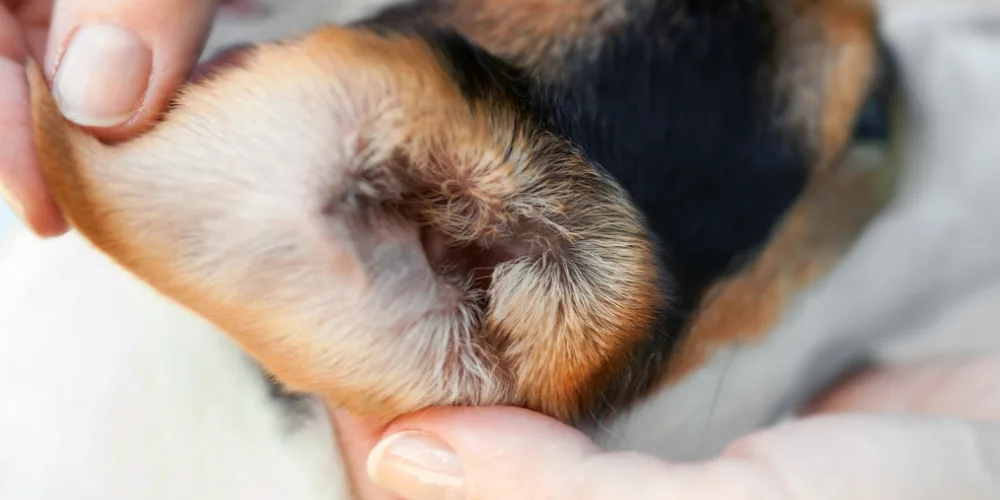
7 Signs Your Dog May Have an Ear Infection

  1. Scratching of the ear or area around the ear. If your dog is using back legs to scratch behind or around the ear, or you notice matted fur around the ears, the ear may be bothering them.
  2. Hair loss around the ear. Irritation inside the ear can lead to scratching, bald spots, or a hotspot.
  3. Rust or yellow discharge, excessive discharge, or black ear wax. Discharge or excessive wax is a sign something is not right and a veterinarian appointment may be needed.
  4. Odor in the ear. Odor in or around the ear can mean bacteria caused by moisture left in the ear.
  5. Redness, scabs, or swelling. Redness or scabs inside the ear, swelling inside the canal, or swelling of the outer ear leather can point to infection.
  6. Rubbing of the ear on the floor or furniture. Rolling or rubbing the head against carpet, rugs, or furniture is a sign to check the ear.
  7. Head shaking or head tilt. Shaking or tilting can mean something inside or around the ear is bothering your dog.

Everything You Should Know About Ticks

Dog itching and scratching

Everything You Need to Know about Ticks

Ticks come out before fleas in early spring, after the frost and right before the heat shows up. It is hard to spot a tick unless you are regularly petting or grooming your dog. Ticks can latch on to any part of your dog's body.

Do not:

  • Stick a match or flame to it.
  • Pour anything on it.
  • Rub or push on it.
  • Take tweezers to it.

When a tick becomes agitated it can regurgitate a toxic liquid into your dog's skin, leaving a red irritated sore.

Instead, reach down, pull it off, and flush it down the toilet or put it in a water bottle and seal it. The best thing you can do is get it off your dog swiftly without causing agitation to the tick or your dog.

Star Barks Tip: After a long walk or extended outdoor time, use a blow dryer over your dog's body. This separates the fur so you can see down into the skin and discover any ticks.

Star Bark's Guide On: How to Clean Your Dog's Ears

How to clean your dog's ears

Did you know you should be cleaning your dog's ears once a week to maintain a healthy ear canal?

That may seem excessive, but if your dog is prone to dirty ears or ear infections then once a week really is ideal. If your dog spends time in water or a wet environment you should clean their ears after getting wet to eliminate moisture.

  1. First you need an ear cleaner.
  2. Firmly hold your dog's head and open the ear, exposing the folds in the ear leather.
  3. Liberally pour the cleaner inside the ear while holding your dog's head so they do not shake prematurely.
  4. Massage the base of the ear so the cleaner covers the entire ear canal.
  5. Let go and step back because it is time for your dog to shake their head.
  6. Use a cotton ball to wipe out debris inside the canal. Use q-tips only on the folds if needed.
  7. Repeat all steps in the other ear.

Is Your Dog Scratching or Licking Excessively?

Dog scratching or licking excessively

Dogs Don't Itch or Lick for No Reason

Have you noticed your dog scratching, licking, or chewing on their coat or paws a lot? The excessive licking, chewing, or itching is a sign that something is wrong and it is time to investigate what could be the source.

Fleas

Often when dog parents notice this behavior their first instinct is that their dog has fleas. Fleas are easily identifiable and would cause itching or chewing in several areas on the body. Check the coat for tiny black bugs. If you do not find any, you can eliminate that concern.

After you know it is not fleas, observe your dog and take note if they are focusing on a specific area or two. Check the area for a bite mark similar to a mosquito bite. If you do not see a bite but you see red and irritated skin, the next possible cause may be seasonal allergies.

Seasonal allergies and skin irritation topic

Seasonal Allergies

Has your dog been outside rolling around in the grass or playing in muddy puddles? Their skin may be reacting to something outside. Your first step is to give them a bath. After the bath, if they continue chewing, licking, or scratching, consider a food reaction.

Food Reaction

Think about any changes you have made recently to their diet. Did they get treats they have never tried before? Did you switch their food? Even if the switch was gradual, their body may be having a poor reaction to the new food. A change in diet can cause dry and itching skin.

Ear Infections

If you have not made dietary changes, the next probable issue is often an ear infection. Notice if your dog scratches behind the ear or rubs their ears on the floor. If so, the next stop is the vet to get their ears checked and treated.

How to Feed Your Dog A Premium Diet

How to feed your dog a premium diet

What Is a Premium Diet?

As a dog parent, chances are you want what is best for your pup. This includes feeding them quality dog food. With so many dog food options available, it is possible to choose a food that lacks proper nutrition without knowing it.

First Two Ingredients

The easiest way to determine if your dog food is a good one is to check the first two ingredients listed on the bag. You want to confirm whether the food is nutritional or filled with fillers that do not nourish your dog.

First ingredient: The first ingredient should always be the meat or protein, such as chicken meal, lamb meal, or fish meal.

Second ingredient: The second should always be brown or white rice.

Wrong Ingredients

You do not want to see an ingredient list that starts with Ground Whole Grain Corn, Meat And Bone Meal, Corn Gluten Meal, or Animal Fat. If your dog food starts with anything but the protein or meat meal and brown or white rice, then it is time to consider a new brand.

A Few Premium Dog Food Brands Include

  • Nutro - Star Barks' most recommended brand.
  • Blue Buffalo.
  • Orijen.
  • Merrick.

Star Barks Five Star Mobile Pet Spa

Star Barks Five Star Mobile Pet Spa

How It Works

  • Star Barks comes to you with a top of the line mobile grooming truck and grooms your dog right outside your door.
  • Each grooming averages between 60-90 minutes depending on the breed and size of the dog.
  • The Star Barks Pet Stylist Elite truck is designed for senior pets and roomy enough for big gentle dogs.
  • Zero travel for you and your pup, with no waiting hours for pickup.
  • Star Barks grooms to breed standard, incorporates a spa bath, and hand dries to remove excessive shedding.
  • No exposure to other animals, diseases, or parasites.
  • No tranquilizers used.

Request a Booking

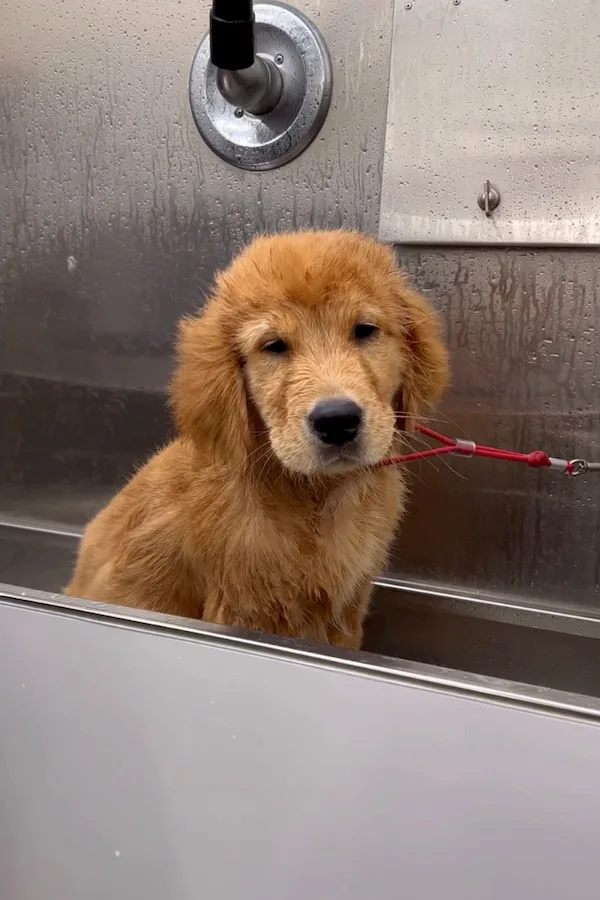
Star Barks mobile grooming dog

Star Barks Five-Star Process

  • Brush out, check for matting, prep for bathing, and check for fleas and ticks.
  • Thoroughly bathe your dog twice for a clean and soft coat.
  • Express anal glands.
  • Premium ear care with ear flush and deodorizing swabs.
  • Trim nails.
  • Towel dry face. For wrinkly friends, wipe and dry face folds.
  • Use a pet friendly high velocity cool-air dryer to dry most of the coat and remove excess fur.
  • Brush and fluff out coat for straightening.
  • Trim and cut coat according to breed standard.
  • Spritz cologne and apply a festive bandanna.

Additional Services

In addition to the Five Star Spa Treatment, which includes nail clipping, bathing, brushing, hand drying and massage, Star Barks offers several other services.

  • De-Shedding Treatment.
  • Remoisturizing treatments for skin and coat.
  • Precision breed standard styling.
  • Flea and tick shampoos.
  • Frontline flea and tick applications.
  • Teeth brushing.
  • Therapeutic shampoos.
  • De-skunking.

Special natural shampoos include oatmeal, hypo-allergenic, tea tree, and bluing for white dogs. Products are bio-degradable, eco-friendly, and natural.

Fees are breed specific and depend upon the needs of your pet's coat, skin, and breed standards. Your dog's bath and breed trimming are typically completed within an hour or two.

Request a Booking

Star Barks Guide to Feeding Your Dog

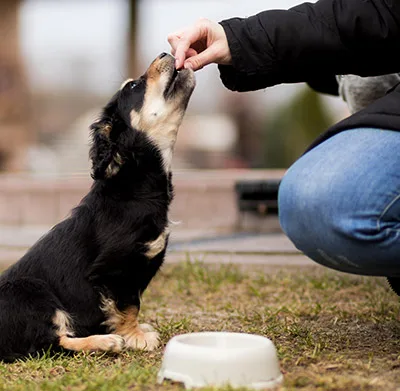
Guide for feeding puppies

Premium Diet

Although domestic dogs can survive on grain-based foods, they do best on food high in animal proteins. Give your puppy or dog a food whose first listed ingredient is a high-quality animal protein, such as chicken meal or lamb meal.

Your dog's food should always include these first two ingredients: the first should be a lamb meal, chicken meal, or beef meal. The second should be white or brown rice. If these are not the first two ingredients, it is time to switch to a food with higher nutritional value.

Puppy's Nutrition

Your dog's first 12 to 14 months are critical in establishing a foundation for a healthy life. Puppies need food formulated for their special needs, with protein, fat, minerals, and vitamins suited to growth.

Premium puppy foods are sized and textured for a puppy's smaller mouth. Use the label's feeding instructions as a guideline for daily portions based on weight and age, and adjust as needed for your puppy's caloric requirements.

Raw Diet

Nutrition may have a bigger impact than any other outside influence on a dog's health and longevity. Star Barks is not a cheerleader for raw food diets because they can be complicated, requiring freezer space, daily defrosting, and extra cost, weight, space, and odor management.

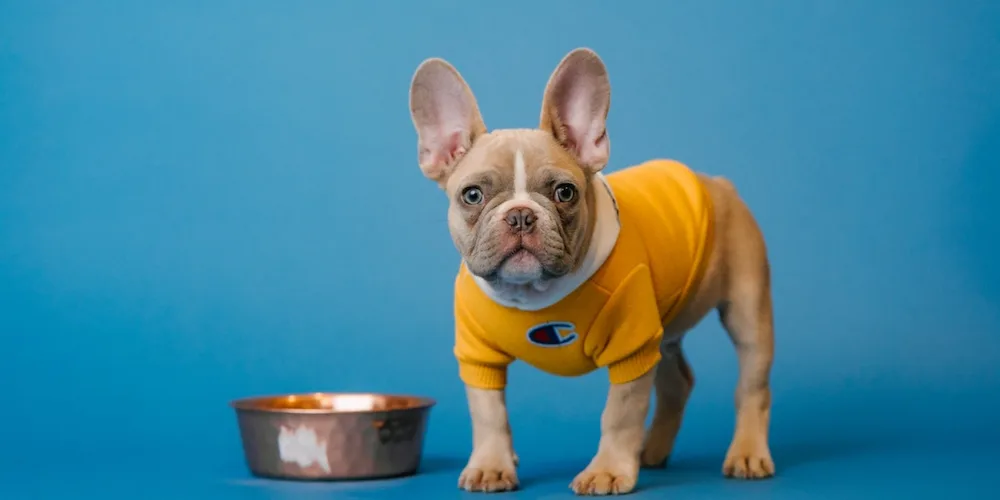
Dog at food bowl

General Rules to Follow

  • Always have plenty of fresh water available regardless of the animal's age.
  • After a puppy is three months old, reduce feeding frequency to two or three times a day.
  • Feed a mature dog twice a day, or reduce to once a day if needed.
  • Feeding times should be the same time from day to day because puppies and dogs thrive on consistency.
  • Most puppies take immediately to premium foods. Lower priced supermarket varieties are often less digestible, which means your puppy may need to eat more to obtain sufficient nutrition.
  • Super-premium foods can provide superior nutrition and can reduce cleanup by producing small, compact stools.
  • Look for foods that contain sunflower oil or poultry fat, good sources of linoleic acid for healthy skin and a shiny coat.